
Student Screening & Suitability
Is HAD in Schools Right for Your Students?
who the had in schools program is suitable for:
Students in the Early Intervention & Preventative Space (Tier 2)
HAD in Schools operates in the Tier 2: Early Intervention space of Victoria's three-tier student support framework. Our program is designed for students who would benefit from relationship-based support and mentoring.
Our program is suitable for students categorised within any of Victoria’s three-tier student support framework, provided it is used as a complimentary intervention for students who fall into the Tier 3: Targeted clinical intervention category.
The HAD in Schools Program is not a Tier 3 Clinical Support Service, and therefore, is not appropriate as a standalone intervention for Tier 3 students.
Understanding this distinction is critical for safe, effective program delivery and appropriate student referrals.
HAD in Schools is designed for students who have/ARE EXPERIENCING:
-
Experience low confidence or self-esteem
Struggle with peer relationships or social skills
Feel isolated or disconnected from classmates
Are navigating friendship conflicts or social anxiety
Have difficulty regulating emotions or expressing feelings appropriately
-
Show signs of disengagement or being at risk of disengagement
Exhibit withdrawal from class participation or school activities
Display declining motivation or school avoidance behaviours
Have negative attitudes toward school or learning
Are experiencing minor behavioural challenges (not severe or dangerous)
-
Are transitioning between schools (primary to secondary, new school)
Are adjusting to family changes (separation, new siblings, relocation)
Are experiencing mild stress, worry, or emerging emotional difficulties
Face challenges that are affecting their wellbeing but haven't escalated to crisis
-
Won't engage with traditional counselling or wellbeing services
Find formal, clinical settings intimidating or uncomfortable
Respond better to informal, relationship-based support
Benefit from movement and hands-on activities to open up
Need positive role modelling and encouragement
-
HAD in Schools can support students identified as vulnerable or disadvantaged, including:
Aboriginal and Torres Strait Islander students
Students from culturally and linguistically diverse backgrounds
Students in out-of-home care (with appropriate school and carer support)
Students with mild learning difficulties or ADHD (when behavior is manageable)
Students experiencing mild family stress or economic challenges
Using Evidence-Based Tools to Match Students with Support
Schools often have existing wellbeing data to identify students who may benefit from HAD in Schools - including teacher observations, attendance records, engagement data, and reports.
If your school hasn't yet categorised students or would like additional screening support, we recommend the SAEBRS (Social, Academic, and Emotional Behaviour Risk Screener) - a Department of Education research-validated resource designed to help identify students with behavioural and emotional support needs.
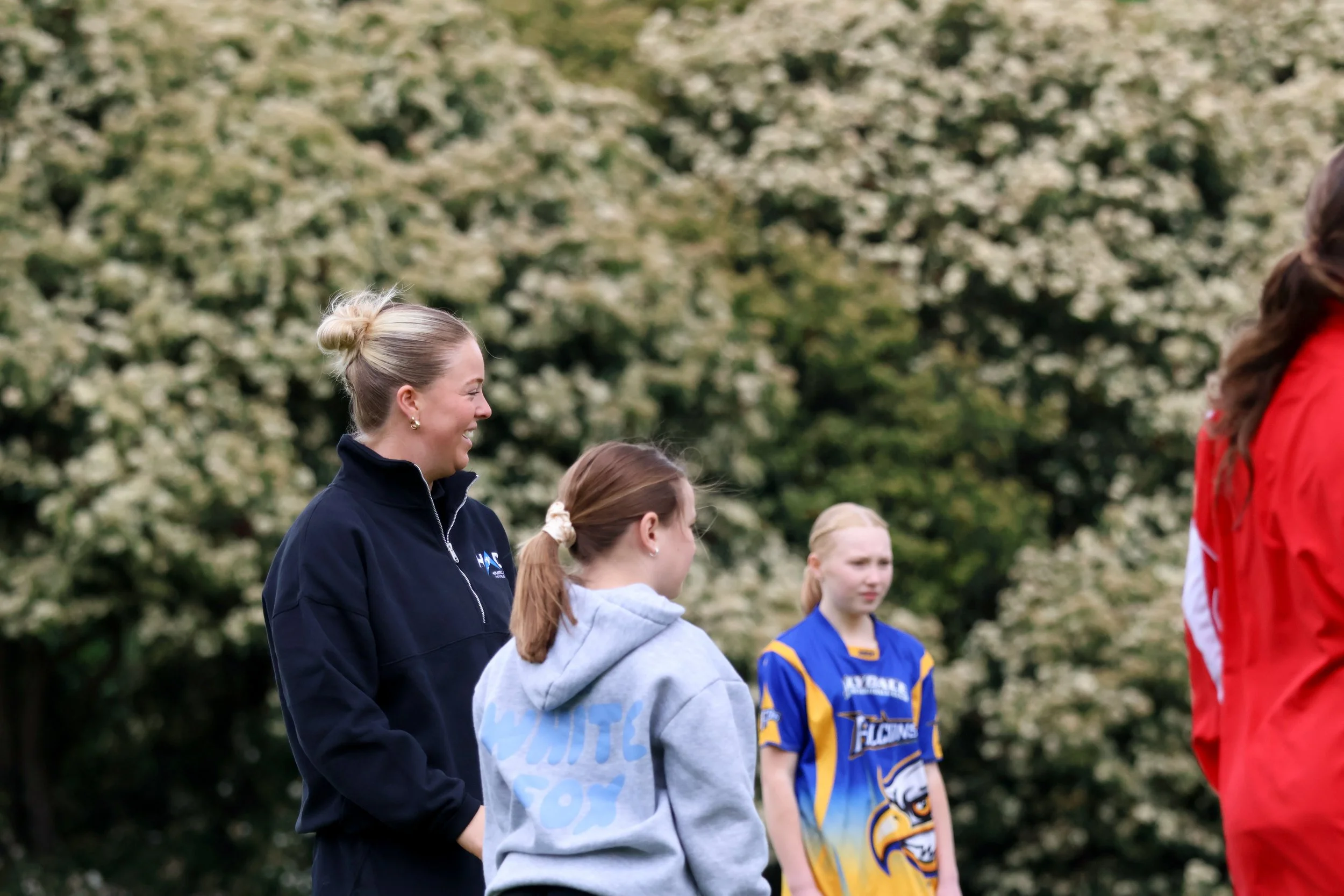
Our mentors are not psychologists, social workers, or mental health professionals. They are trained in:
Trauma-informed practice
Youth engagement and relationship-building
Strengths-based approaches
Recognising when to refer to school wellbeing teams
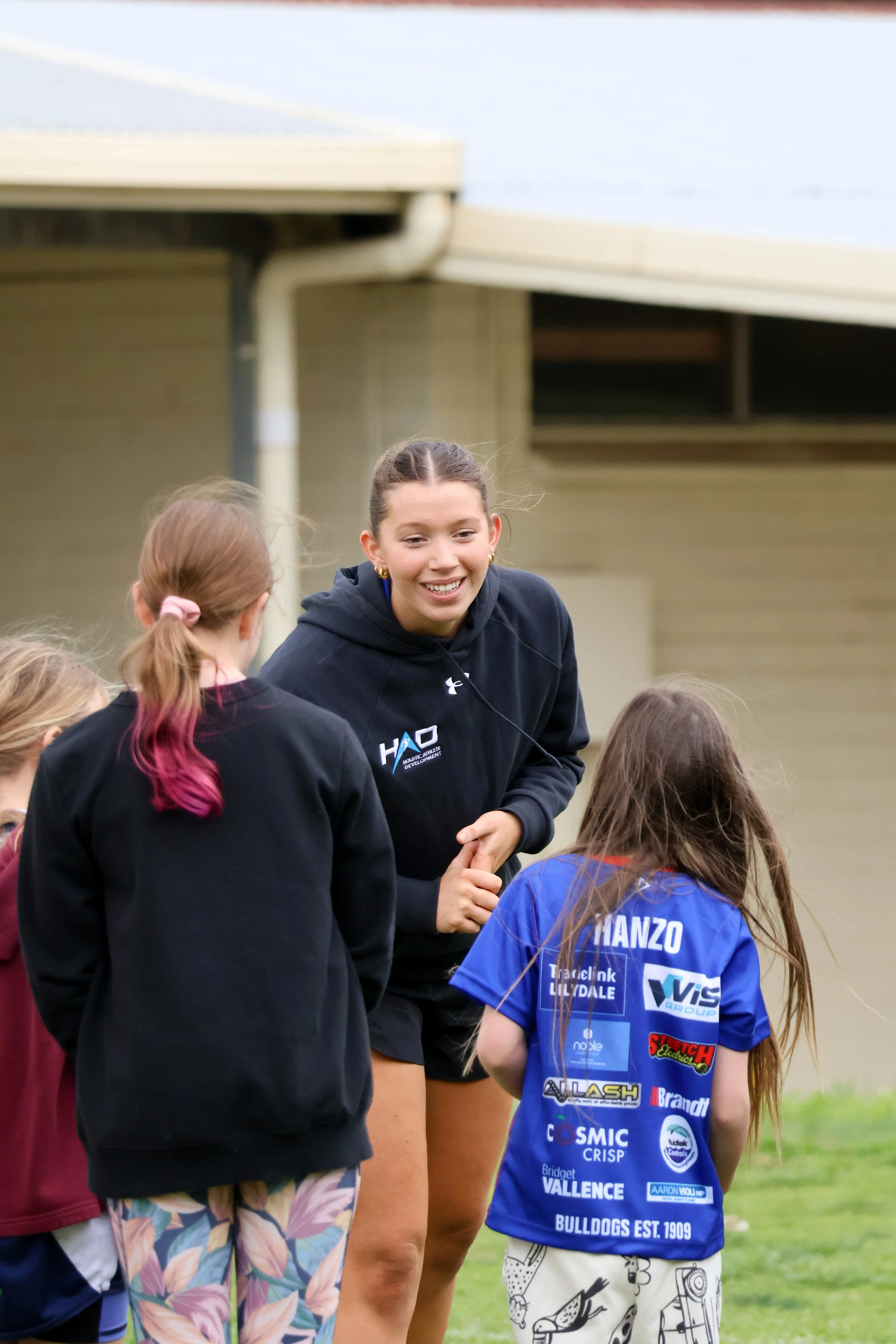
HAD in Schools Complements, Never Replaces, Professional Support
The HAD in Schools Program is not suitable as a standalone intervention for students requiring immediate Tier 3 Targeted Clinical Support. However, our program has had great success as a complementary intervention for students with a range of needs.
Every student is unique, and we understand that identifying the right support isn't always straightforward. If you're unsure whether HAD in Schools is the right fit for a particular student, we're here to help. Reach out for a confidential suitability consultation - we're happy to discuss individual circumstances and help determine the best path forward.
What Happens If student Needs Change?
If a student's needs escalate during the program, mentors work with the school's wellbeing team to determine next steps, which may include:
Referral to Tier 3 clinical services
Exiting the program to focus on clinical support (if necessary)
Continuing mentoring alongside clinical services (if appropriate and safe)
Student safety and wellbeing always come first.
HAD in Schools is a flexible program and uses student-centred decision-making with the cooperation of each school to adapt to meet students where they are.
want to learn more?
ready to book?
Frequently Asked Questions
Still have questions? Take a look at the FAQ or reach out anytime. If you’re feeling ready to host a program, submit a form above.
-
While HAD in Schools is a Tier 2 early intervention program, we recognise that some students receiving Tier 3 clinical support (therapy, counselling, psychiatric care) may also benefit from complementary relationship-based mentoring - as long as mentoring is not replacing or substituting for their clinical care.
When this works well:
Students who are:
Stable (not in active mental health crisis)
Receiving appropriate clinical support from psychologists, psychiatrists, counsellors, or other mental health professionals
Cleared by their clinical team to participate in additional support programs (schools should consult treating professionals where appropriate)
Able to engage safely in mentoring activities without risk to themselves, peers, or mentors
For these students, mentoring can provide:
Practical application of skills learned in therapy
Positive adult relationships that reinforce therapeutic progress
Social connection and peer practice in a safe environment
Strengths-based experiences outside the clinical "patient" role
An additional layer of support within their holistic care network
-
No - SAEBRS is simply a helpful tool if you don't already have wellbeing data or student categorisation in place. You can nominate students based on teacher observations, existing reports, or any other evidence-informed approach your school uses.
Please note, HAD in Schools reserves the right to enquire further about student nominations if our mentors report concerning behaviour.
-
Yes, if the psychologist and school wellbeing team agree that mentoring is complementary and safe. The student must be stable (not in crisis) and able to engage meaningfully in sessions.
-
Students with ADHD or autism who can engage safely in small group or 1:1 settings may be appropriate. Students with severe needs requiring highly structured clinical support are not suitable.
-
Mentors follow mandatory reporting requirements and immediately alert the school wellbeing contact. Schools activate their child protection and crisis response protocols. The student's participation is reassessed based on their needs.
To review our Child Safeguarding and Reporting Standards, click here.