
movement-based student mentoring
our story
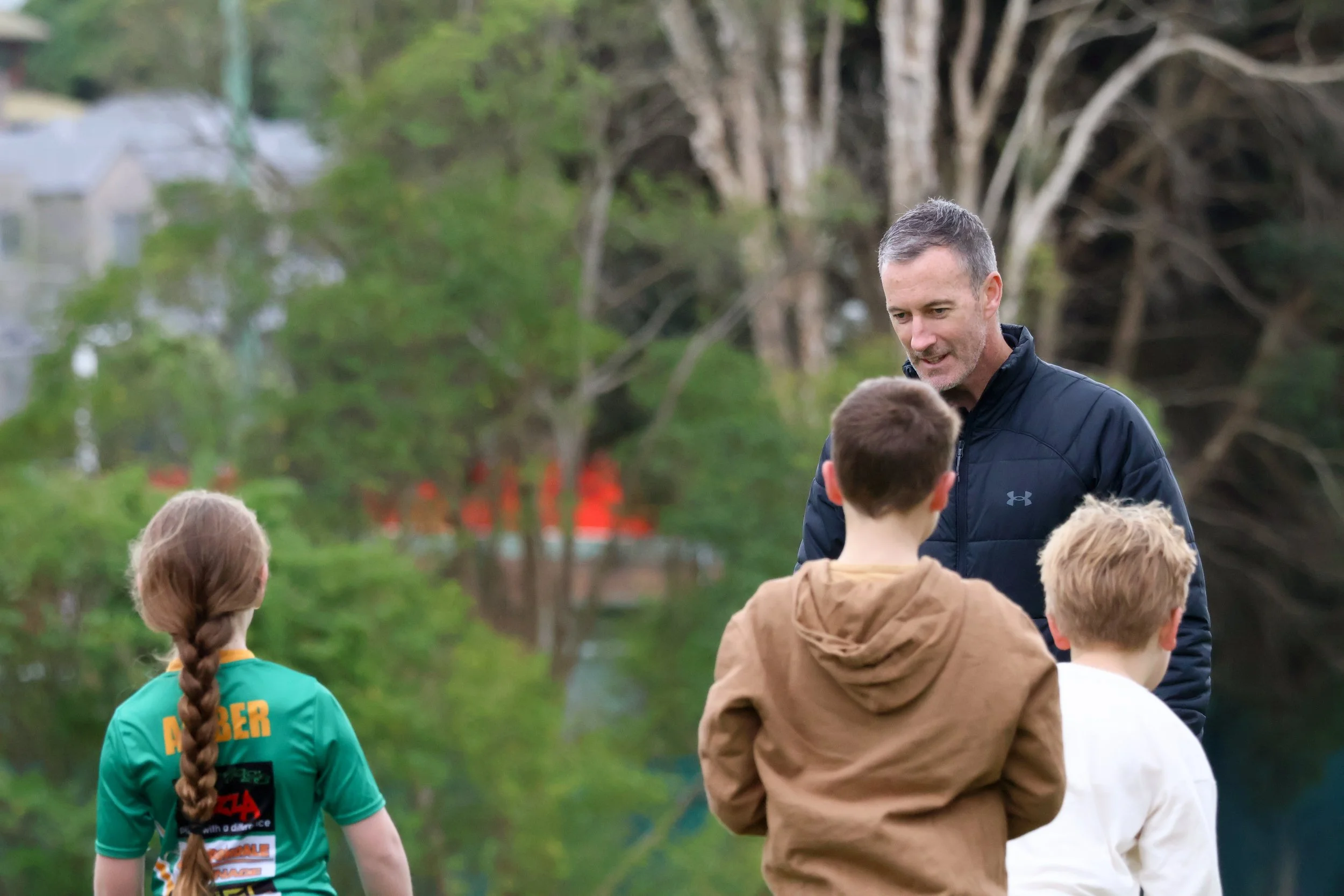
Brad Jenkinson, founder of HAD Football and primary school parent, noticed something during morning drop-offs: some students were arriving at school carrying tension, frustration, or restless energy that made settling into the day difficult.
What started as a simple gesture - inviting a few kids to kick a footy or shoot hoops before the bell - became something more. That brief outlet helped students redirect their energy, regulate their emotions, and arrive at class calmer and more ready to learn.
But more importantly, it created connection. In those informal moments of movement and play, students opened up. They built trust. They started their day feeling seen.
What began as one parent noticing a need has grown into HAD in Schools - a structured, evidence-informed mentoring program now running weekly across schools throughout Melbourne. We've kept what worked from the beginning: movement, trust, and meaningful conversation - but built a model that supports students consistently, safely, and intentionally.
our mission
To empower students through cross-age peer mentoring and low-intensity physical activity, build confidence, enhance social skills, and support emotional well-being and connection in a light-touch, impactful way that complements existing school support systems.
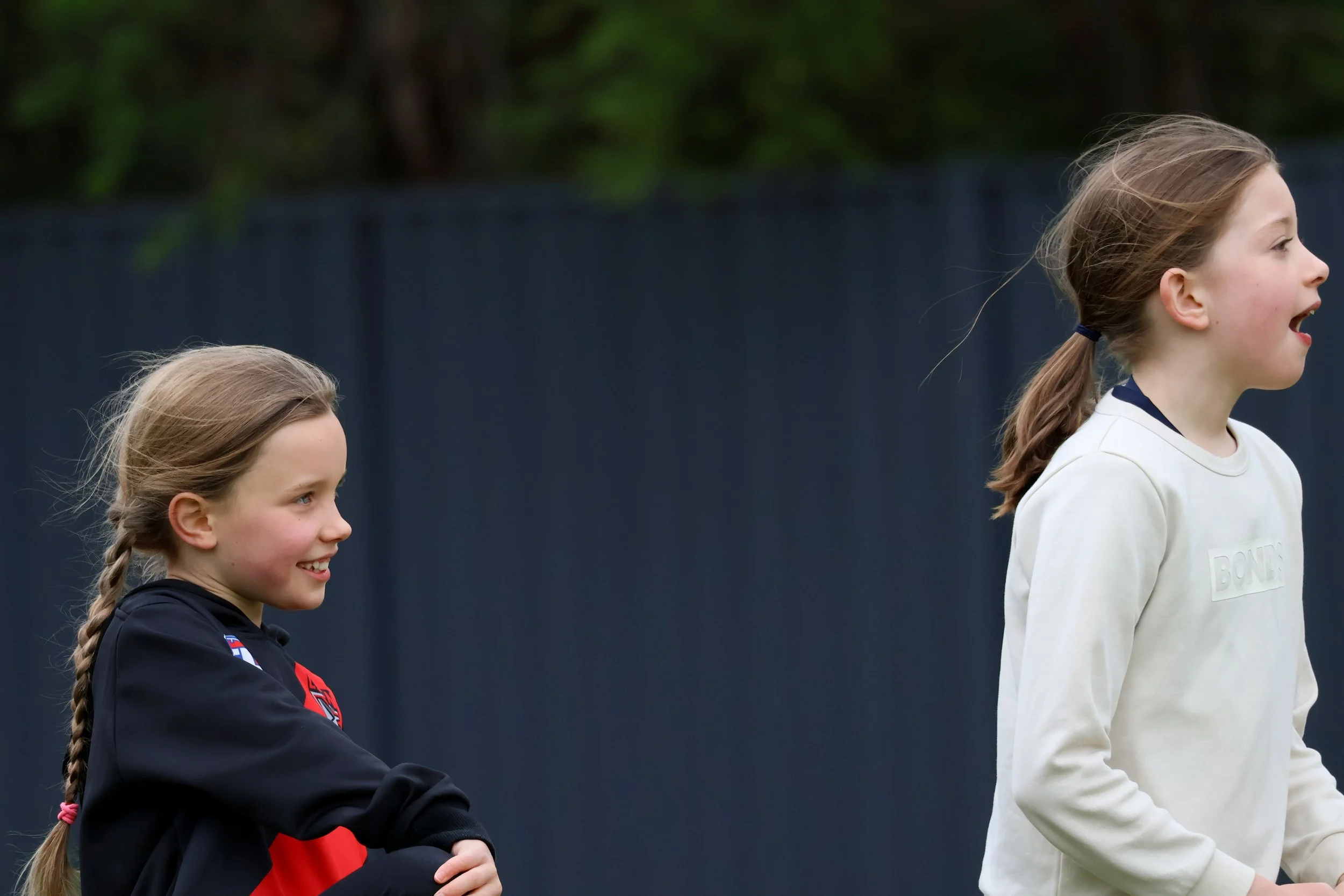
Connection. Movement. Mentorship.
At HAD in Schools, we believe that students don't engage with programs - they engage with people.
Traditional wellbeing services often struggle to reach the students who need support most. Formal settings, clinical language, and scheduled appointments can feel intimidating or irrelevant to young people navigating social challenges, low confidence, or disengagement.
Our approach is different. We meet students where they are - physically, emotionally, and socially.
Movement creates connection
Physical activity isn't just about burning energy. It's a language students already speak. Kicking a ball, playing a game, or working toward a shared goal breaks down barriers that formal conversation can't.
-
Reduces anxiety and self-consciousness
Creates natural opportunities for conversation
Builds rapport through shared experience
Helps students regulate emotions in real-time
Makes support feel accessible, not clinical
When students are moving, they're present. They're engaged. And most importantly, they're open.
-
Students won't share their struggles with someone they don't trust. And trust isn't built through intake forms or assessment tools - it's built through consistency, authenticity, and genuine care.
Our mentors show up every week. Same person, same time, same commitment. That predictability creates safety. Students learn that this space is theirs - judgment-free, pressure-free, and built around what they need.
Over time, that trust becomes the foundation for real growth: confidence, resilience, social skills, and emotional awareness.
-
We don't define students by what's wrong. We recognise what's right - and build from there.
Every student has strengths, interests, and capabilities. Our role is to help them see those qualities in themselves, practice using them, and realise their potential.
Sessions focus on:
What students do well, not just what they struggle with
Building skills through success, not correcting failure
Celebrating progress, no matter how small
Helping students become their own advocates through highlighting the power of their own words and self-talk
This approach doesn't ignore challenges - it reframes them as opportunities for growth.
The Science Behind Our Approach
-

Physical Activity & Emotional Regulation
Research shows that physical movement:
- Reduces cortisol (stress hormone) and increases endorphins
- Improves mood, focus, and emotional regulation
- Helps students process and release difficult emotions
- Creates a sense of accomplishment and agency
For students carrying tension, anxiety, or frustration, movement provides an immediate, tangible outlet before conversation even begins.
-
Relationship-Based Support & Student Outcomes
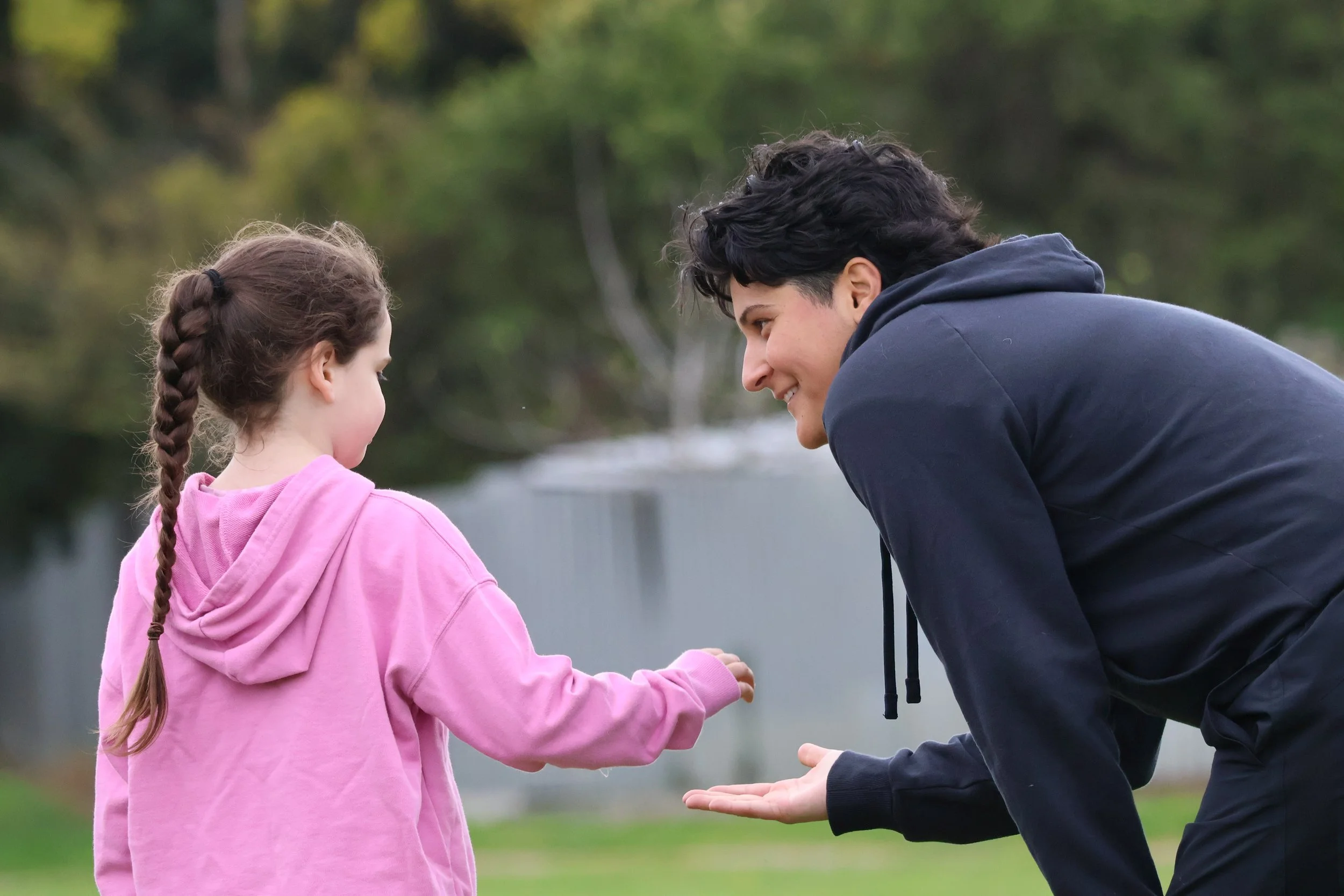
Positive relationships with trusted adults are one of the strongest protective factors for young people. Students with at least one supportive adult relationship show:
- Higher school engagement and attendance
- Improved social-emotional skills
- Greater resilience in the face of challenges
- Reduced risk of mental health difficulties
Our mentoring model prioritises that relationship above all else.
-
Early Intervention Prevents Escalation
Students in the Tier 2 (early intervention) space may not receive support until needs escalate to crisis. By providing accessible, preventative mentoring, we:
- Address challenges before they become severe
- Reduce demand on clinical services (Tier 3)
- Support students who would otherwise fall through the gaps
- Build protective factors that benefit students long-term
Early intervention isn't just effective - it's efficient.
Why Schools Choose HAD in Schools
What makes us different?
01
we come to you
No waitlists. No external referrals. No transport logistics. Our mentors arrive on campus during school hours, making support accessible to students who need it most.
02
informal, not institutional
Students respond to our approach because it doesn't feel like "intervention." Sessions are active, conversational, and built around what students enjoy - not what a curriculum dictates.
03
Flexible & adpative
Every school is different. Every student is unique. We tailor session formats, group sizes, and program length to match your community's needs.
04
evidence-informed
We use validated screening tools (SAEBRS), trauma-informed practices, and strengths-based frameworks. Our model is grounded in what research shows works for young people.
05
Complementary, Not Competing
We don't replace school psychologists, counsellors, or external clinical services. We work alongside your existing wellbeing framework, filling the gap for students who need relationship-based support in the Tier 2 space.
06
Safe, Professional, & Compliant
All mentors hold current Working with Children Checks, and are trained in child safety standards and mandatory reporting. Schools can trust that we operate with integrity and accountability.
our commitment to students
To every student who walks into a HAD in Schools session, we commit to:
-
You can count on us. Same mentor*, same day, same time. Reliability builds trust, and trust changes everything.
-
We will champion your strengths, interests, and potential. We will build your confidence and educate you on how you can become the best version of yourself.
-
No lectures. No pressure. No comparisons. This is your time to be yourself, try new things, and speak freely.
We are here for you, to listen, learn, and educate - not judge.
-
Whether you're ready to talk or just want to kick a ball, we'll follow your lead. Support looks different for everyone, and that's okay.
-
Every step forward matters - even the small ones. We'll notice, acknowledge, and celebrate your growth along the way.
*Mentor consistency will be provided wherever possible; however, in extreme circumstances such as illness, emergency, or unforeseen unavailability, a trained replacement mentor may be assigned to maintain program continuity and minimise disruption to students.
our commitment to schools
To every school we partner with, we commit to:
-
We operate with transparency, clear communication, and full compliance with child safety standards and school policies.
-
We work as part of your wellbeing team, not as outsiders. Your staff know your students best - we're here to support your goals, not impose ours.
-
Student needs change. School schedules shift. We adapt. If something isn't working, we'll adjust quickly and thoughtfully.
-
Our mentors know their scope of practice. If a student's needs exceed what we can provide, we'll communicate that immediately and support appropriate referrals.
-
We provide regular updates, session observations, and post-program evaluations so you can see the difference mentoring makes for your students.