1:1 vs Small Group Mentoring:
Choosing the Right Format for Your Students
1:1 Sessions
Our 1:1 format provides the highest level of personalised support and is ideal for students who benefit from consistent, focused attention. Each weekly session (30mins in duration) blends light physical activity with strengths-based, reflective conversation to support emotional regulation, confidence and connection.
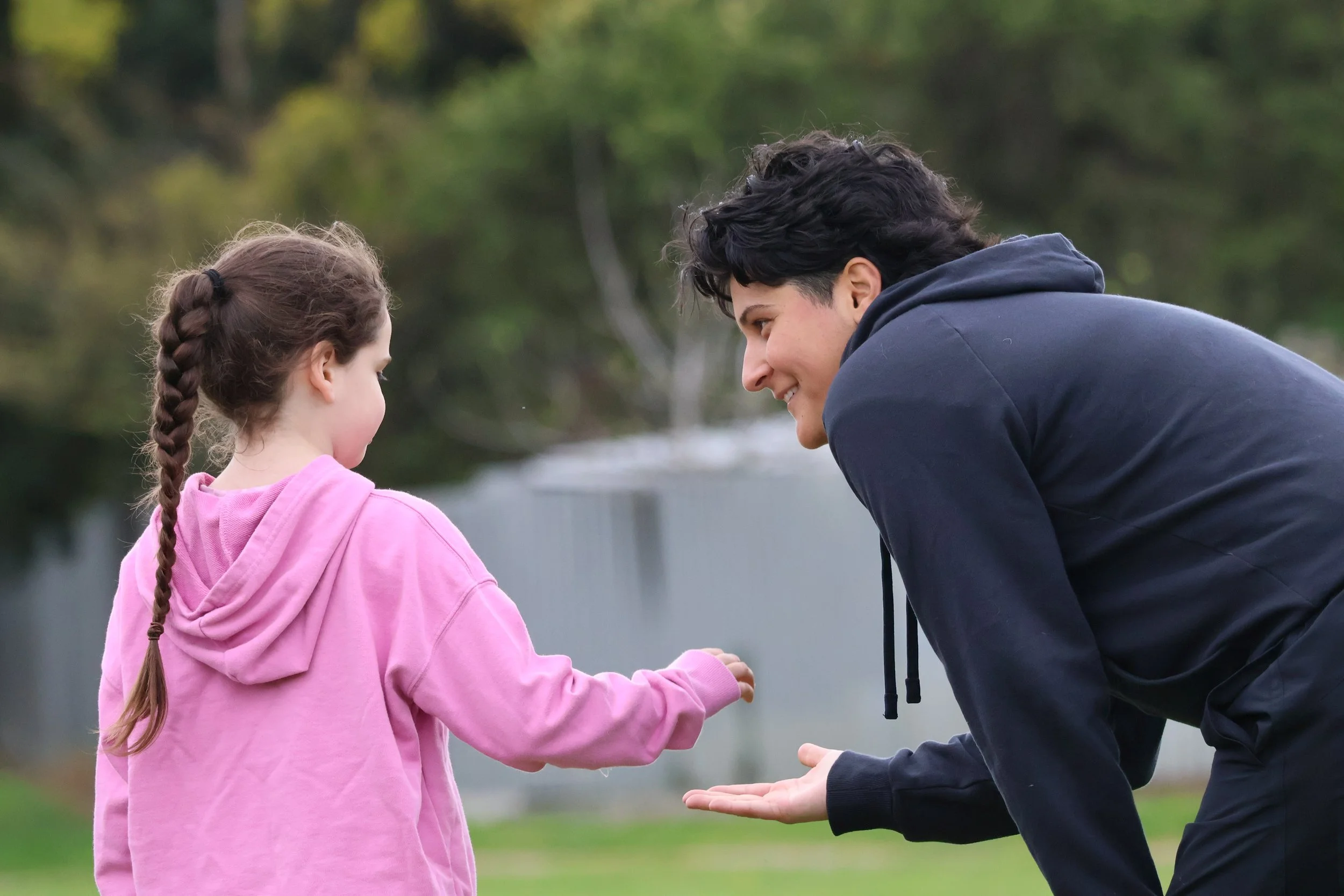
We offer this program across all four school terms, with a minimum commitment of three consecutive weeks (intro offer only). Best suited for students who:
Need concentrated support to build foundational confidence
Experience significant social anxiety or struggle in group settings
Require a safe space to open up without peer judgment
Are working through specific personal challenges or transitions
Have difficulty focusing or engaging when others are present
Are building trust with adults
Are in need of a positive role model who they can connect with
BENEFITS OF 1:1 SESSIONS:
-
Undivided Attention & Personalisation
The mentor can tailor every moment of the session to the student's specific needs, pace, and interests. Activities, conversations, and goals are entirely individualised.
-
Safe Space for Vulnerability
Students who won't share in groups often open up in 1:1 settings. Without peers present, there's less fear of judgment, embarrassment, or social comparison.
-
Deeper Relationship Building
The mentor-student bond develops more intensively, creating a strong foundation of trust that can accelerate progress and willingness to engage.
-
Targeted Skill Development
Specific skills (emotional regulation, self-advocacy, goal-setting) can be practiced and reinforced without the distraction or pace considerations of a group.
-
Immediate Feedback & Adjustment
Mentors can read the student's mood, energy, and needs in real-time and pivot activities or conversation accordingly.
-
Reduced Overstimulation
For students who find group dynamics overwhelming, 1:1 sessions eliminate sensory and social overload, allowing them to engage more fully.
Small group sessions (2-3 students)
Our small group sessions are set at a maximum of 1:3; consisting of 1 HAD in School mentor with a group of maximum 3 students.
This format offers a small, supportive group dynamic while maintaining the personalised strengths of our 1:1 model. These weekly 30 minute sessions encourage peer connection, cooperative skills and shared problem-solving through low-intensity movement activities and guided group discussion.
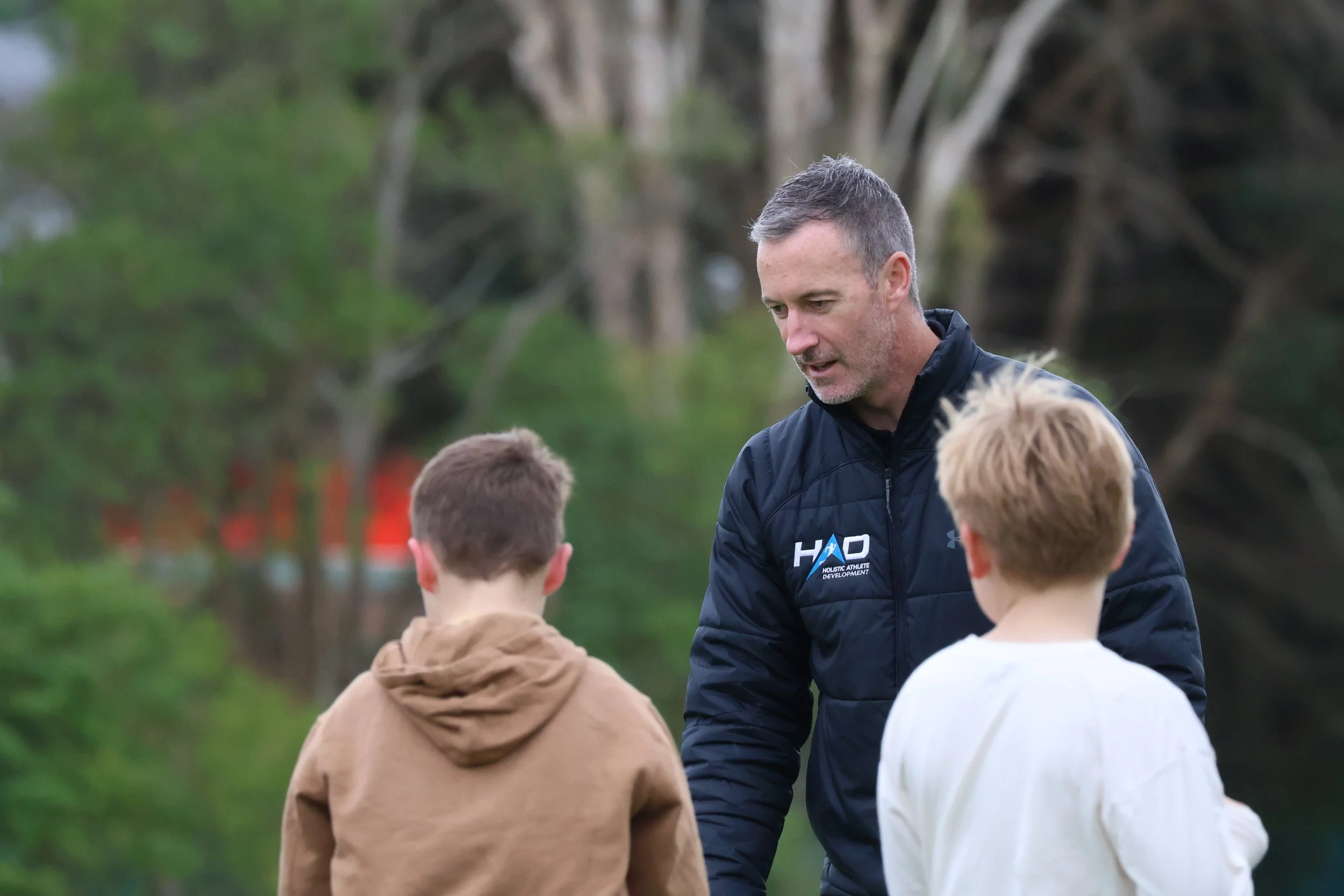
We offer this program across all four school terms, with a minimum commitment of three consecutive weeks (intro offer only). Best suited for students who:
Struggle with peer relationships or social skills
Benefit from peer modeling and shared experiences
Feel isolated or disconnected from classmates
Need support but don't require intensive individual attention
Respond well to gentle peer accountability and encouragement
Are building confidence to engage in larger social settings
BENEFITS OF SMALL GROUP SESSIONS:
-
Peer Connection & Belonging
Students realise they're not alone in their challenges. Shared experiences create bonds, reduce isolation, and build a sense of "we're in this together."
-
Social Skills Practice in Real-Time
Small groups provide a safe, low-pressure environment to practice communication, active listening, turn-taking, conflict resolution, and empathy - with immediate mentor guidance.
-
Peer Modelling & Learning
Students observe how others handle challenges, express emotions, or try new activities. This modelling accelerates learning and normalises vulnerability.
-
Natural Accountability & Motivation
Peers encourage each other to participate, take risks, and stay engaged. Gentle group dynamics create positive momentum and reduce mentor dependency as students learn to support each other and build independence.
-
Efficient, Cost-Effective Support
Schools can support multiple students simultaneously, making small groups an efficient use of mentoring time and resources while still maintaining high engagement and personalised attention.
-
Bridge to Broader Social Engagement
For socially anxious students, small groups are a stepping stone. They build confidence in a controlled, supportive setting before re-engaging with larger peer groups, classrooms, or school-wide activities.